
How Spiders Affect Commercial Properties
Local contractors specializing in commercial spider control can help prevent infestations, protect property appearance, and ensure a safe environment by managing how spiders affect commercial properties.
Understanding how spiders affect commercial properties is important for property owners and managers seeking to maintain a safe and appealing environment. Spiders are common pests that can invade buildings, often building webs in corners, ceilings, and storage areas, which can impact the overall cleanliness and presentation of a space. Additionally, certain spider species can pose health concerns or create discomfort for employees and visitors. Exploring this topic can help property owners identify potential issues early and take practical steps to address them, ensuring their commercial spaces remain inviting and pest-free.
Local contractors specializing in commercial spider control offer effective solutions to manage spider populations and prevent infestations. These professionals understand the unique challenges faced by commercial properties and can implement tailored strategies to reduce spider activity. Whether it involves targeted treatments or ongoing prevention measures, connecting with experienced service providers can help property owners maintain a pest-free environment. Keep reading to learn more about how spiders influence commercial spaces and how local experts can assist in keeping these pests under control.
- Commercial buildings - Businesses noticing spider infestations that threaten customer comfort or employee safety can rely on local contractors to implement effective control measures.
- Food service establishments - Restaurants and cafeterias experiencing spider activity near food prep areas often seek professional pest management to prevent contamination and ensure compliance.
- Warehouses and storage facilities - Large storage spaces with high clutter levels are prone to spider buildup, prompting local service providers to offer targeted treatments to protect inventory.
- Office complexes - Commercial offices facing spider presence that disrupts work environments may contact local pros to reduce pest populations and maintain a clean appearance.
- Retail centers - Shopping centers experiencing spider issues that could deter customers often turn to local pest control experts for discreet and thorough solutions.
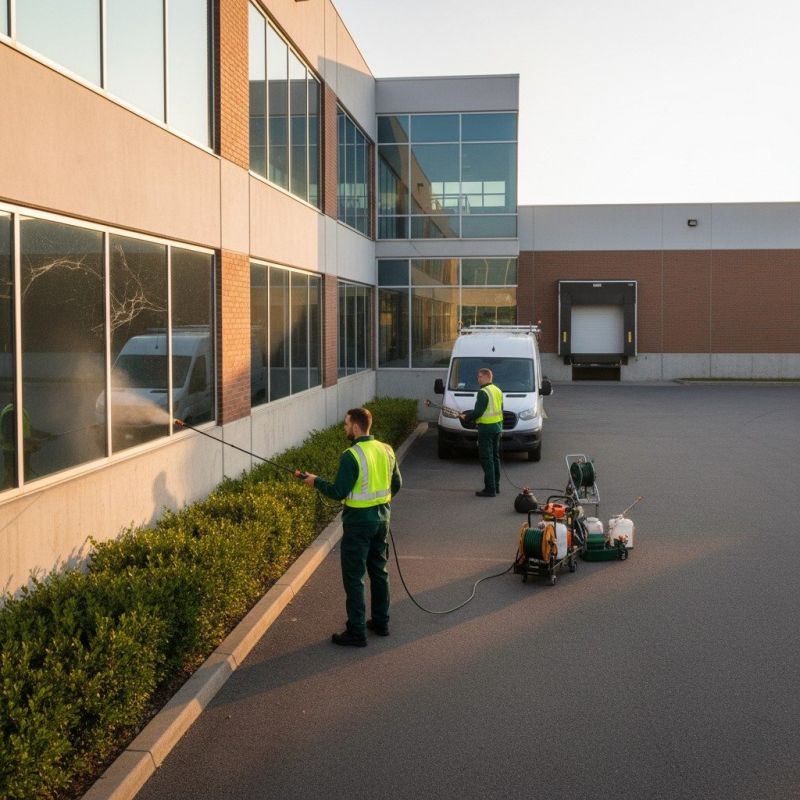
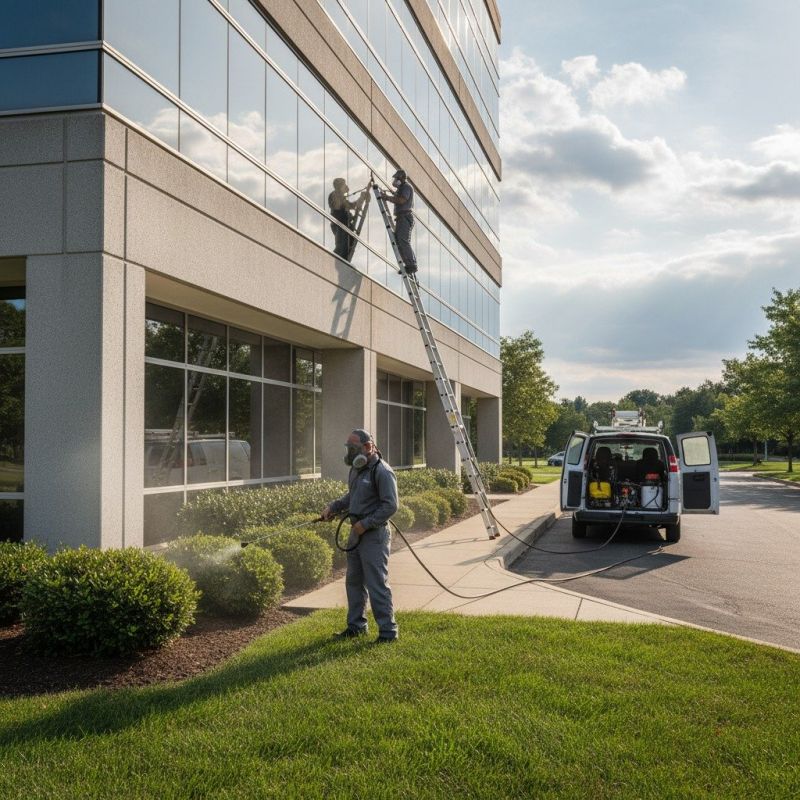
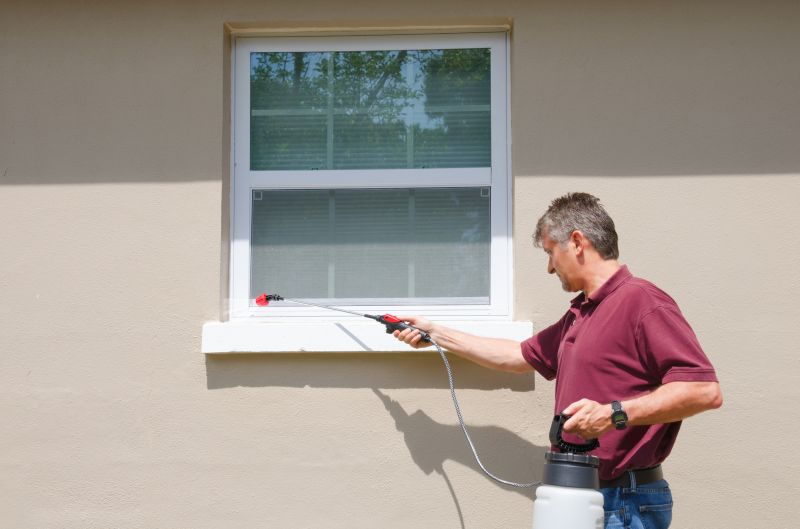
When people search for how spiders affect commercial properties, they often want to understand the potential impact these pests can have on their business environment. Spiders are generally seen as nuisance pests, but their presence can sometimes indicate underlying issues like cluttered storage areas or structural vulnerabilities. Business owners may also be concerned about the aesthetic effects of spider webs or the possibility of attracting larger pest populations, which can harm a company's reputation or customer experience. Understanding how spiders influence the safety, cleanliness, and overall impression of commercial spaces helps property managers and business owners decide whether professional pest control services are necessary.
The problems associated with spiders on commercial properties often relate to both aesthetic and structural concerns. Spider webs can accumulate on building exteriors, entryways, and interior corners, creating an unkempt appearance that might deter clients or customers. Additionally, some spiders can pose health concerns if their webs or bites become a persistent issue, especially in environments like restaurants, retail stores, or offices. In planning pest management strategies, property owners may also look into preventative measures to reduce spider habitats around the site, such as clearing debris or sealing entry points. Local service providers who specialize in commercial spider control can help develop tailored solutions that address these specific issues.
Types of properties that typically come up when discussing how spiders affect commercial spaces include retail centers, warehouses, office buildings, restaurants, and hospitality venues. These properties often have structural features or landscaping that provide ideal hiding spots for spiders, such as cracks, overgrown vegetation, or cluttered storage areas. Large or multi-tenant buildings may experience higher spider activity due to the increased complexity of managing pest control across different spaces. Business owners and property managers in these settings often seek professional assistance to implement ongoing pest prevention and removal strategies, ensuring that spider populations are kept in check and do not impact the property's operation or appearance.
Understanding how spiders affect commercial properties highlights the importance of working with experienced service providers who specialize in pest management. These local contractors can assess the specific conditions of a property, identify spider habitats, and apply targeted treatments to eliminate existing infestations and prevent future ones. They also offer advice on reducing attractants, such as reducing clutter or sealing entry points, to minimize spider activity over time. For business owners concerned about maintaining a clean, professional environment, connecting with local pros can provide effective solutions that address spider-related issues while supporting overall pest management goals.
Building Inspection Services - professionals who assess commercial properties for pest entry points and structural vulnerabilities related to spider infestations.
Pest Prevention Planning - experts who develop strategies to minimize spider habitats and prevent infestations in commercial environments.
Rodent and Insect Control - service providers who address other pest issues that can attract spiders or contribute to their presence on commercial sites.
Facility Maintenance Services - contractors who perform exterior and interior upkeep to reduce spider hiding spots around commercial properties.
Wildlife Exclusion Services - specialists who seal entry points to prevent spiders and other pests from entering commercial buildings.
Cleaning and Debris Removal - providers who clear clutter and debris that can serve as spider nesting sites in commercial areas.
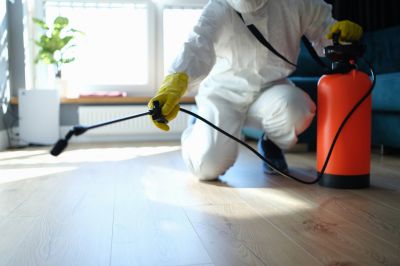
When evaluating service providers for commercial spider control, it is important to consider their experience with similar projects. A contractor who has handled properties like yours can better understand the specific challenges related to how spiders affect commercial spaces. Asking about their previous work with similar types of buildings or industries can provide insight into their familiarity with the unique needs of your property, ensuring that the approach taken is both effective and appropriate for your situation.
Clear written expectations are essential when comparing local contractors for spider control services. This includes understanding the scope of work, the methods they plan to use, and what results you can reasonably expect. Having detailed documentation helps prevent misunderstandings and provides a reference point throughout the project. Service providers who communicate their plans clearly and are open to discussing your concerns demonstrate professionalism and a commitment to transparency, which can be valuable when addressing how spiders impact your commercial property.
Reputable references and effective communication are key factors in selecting a reliable contractor. References from previous clients can offer insights into the quality of work and the contractor’s ability to manage projects similar to yours. Good communication involves timely responses, clarity in explanations, and a willingness to address questions or concerns. These qualities help ensure that the process of managing how spiders affect commercial properties proceeds smoothly and that expectations are aligned, leading to a more successful outcome.
Property owners often search for how spiders affect commercial properties when they are planning practical projects around their homes and businesses. Local pros provide Commercial Spider Control services for everyday jobs and straightforward project options.

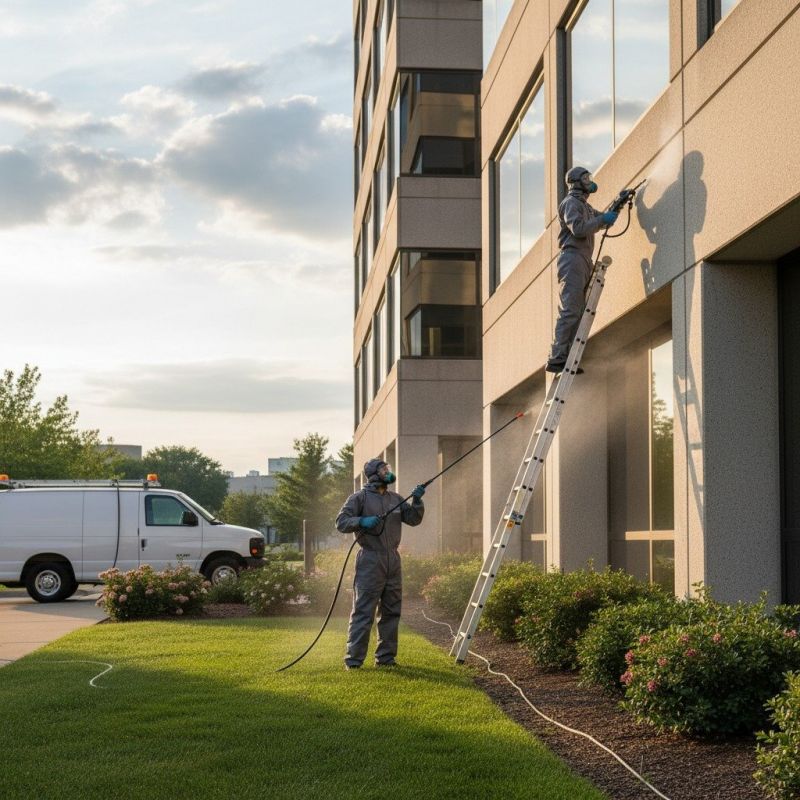
Understanding how spiders affect commercial properties is important for business owners and property managers in the area. Spiders can sometimes become a nuisance if they establish webs in entryways, storage areas, or around building exteriors, potentially affecting the overall appearance and cleanliness of a property. Additionally, certain spider species may pose health concerns or cause discomfort for employees and visitors, making it a practical consideration for ongoing maintenance and pest management efforts.
For those looking to address spider-related issues, commercial spider control services offered by local contractors can provide effective solutions. These professionals are equipped to identify spider activity, remove webs, and implement targeted treatments to reduce future infestations. Engaging with experienced service providers can help maintain a safe, clean, and professional environment while preventing the potential negative impacts that spiders can have on a commercial property.
How do spiders impact the cleanliness of commercial properties? Spiders can contribute to dirt and debris buildup in buildings, as their webs often trap dust and other particles, affecting the overall cleanliness of the property.
Can spider infestations cause health concerns for businesses? Yes, while most spiders are harmless, their webs and presence can attract other pests or cause allergic reactions in sensitive individuals, potentially impacting workplace health.
What damage can spiders cause to commercial buildings? Spiders generally do not cause structural damage, but their webs can create clutter and may block vents or other openings if not managed properly.
How do spiders affect the reputation of a commercial property? Visible spider webs and the presence of spiders can give an impression of neglect or poor maintenance, which may influence customer perceptions negatively.
What benefits do commercial spider control services offer to property owners? These services help reduce spider populations, prevent web buildup, and maintain a clean, pest-free environment for employees and visitors.
Identify spider entry points - property owners can work with local contractors to inspect and seal gaps around doors, windows, and vents, reducing spider access.
Implement clutter reduction strategies - removing debris, stored materials, and unnecessary items can make commercial properties less attractive to spiders and their prey.
Establish regular pest monitoring - scheduling routine inspections with local pros helps detect spider activity early and prevents infestations from developing.
Set up targeted spider control measures - local service providers can apply treatments to key areas, helping to manage spider populations and minimize their impact on the property.
If you are thinking about how spiders affect commercial properties for a property, this guide is meant to help you understand this topic, the typical project types, and how different options might fit your plans.
When you are ready, you can use the quote form on this page to share a few details about your project. From there, local pros can review the basics and follow up with options that match what you have in mind.